
Free US shipping on orders $250+ · Research Use Only · 14-Day Risk-Free Guarantee
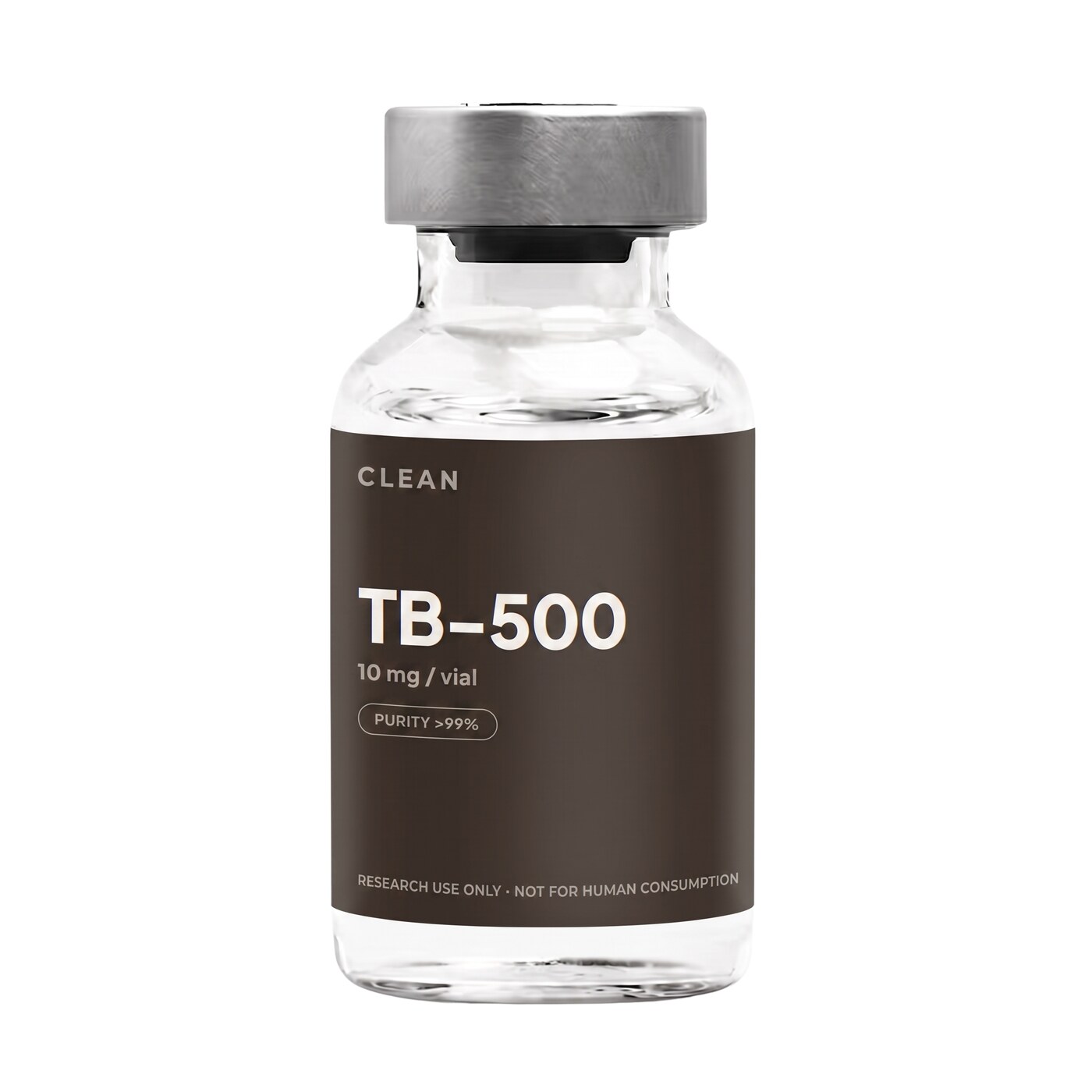
tb-500
TB-500 is a synthetic peptide corresponding to the actin-binding domain of Thymosin Beta-4 (Tβ4). Studied for tissue repair, angiogenesis, and anti-inflammatory activity in preclinical models. Synthesized to >99% purity and lyophilized for maximum bench stability. Supplied for in-vitro and laboratory research use only.
$55.99
14-day risk-free guarantee · Free US shipping on orders $250+
COA / Batch Lookup
Search certificates of analysis by batch number
Get Started →
Dosage — 5mg selected
Subscribe & Save
Buy 1
$55.99 each
$55.99
Most Popular
Buy 2 Save 5%
$53.19 each
$106.38
$111.98
Best Value
Buy 3+ Save 10%
$50.39 each
$151.17
$167.97
Subscribe & Save
Discounted per-vial pricing | No hidden fees
1
14-day risk-free guarantee · Secure checkout
Research Use Only — Not for Human Consumption
TB-500 has been studied across a wide range of tissue repair and regeneration models:
- Promotes actin polymerization and cell migration critical for wound closure in vitro
- Accelerates muscle, tendon, and ligament repair in animal injury models
- Stimulates angiogenesis and new blood vessel formation in ischemia studies
- Exhibits anti-inflammatory activity by downregulating inflammatory cytokine cascades
- Demonstrates cardiac tissue protection in myocardial injury models
Every batch of TB-500 is independently tested by a US-based third-party laboratory. Our Certificate of Analysis (COA) confirms:
Search COA Library →
- Identity: confirmed by HPLC and mass spectrometry
- Purity: >99% by HPLC
- Endotoxin: <1 EU/mg
- Appearance: white to off-white lyophilized powder
Search COA Library →
- Goldstein AL, Hannappel E, Kleinman HK. (2005). Thymosin β4: actin-sequestering protein moonlights to repair injured tissues. Trends Mol Med.
- Philp D, et al. (2006). Thymosin beta4 promotes angiogenesis, wound healing, and hair follicle development. Mech Ageing Dev.
- Sosne G, et al. (2010). Thymosin beta-4 and the eye: vision on the future. Ann NY Acad Sci.
Frequently Paired Compounds
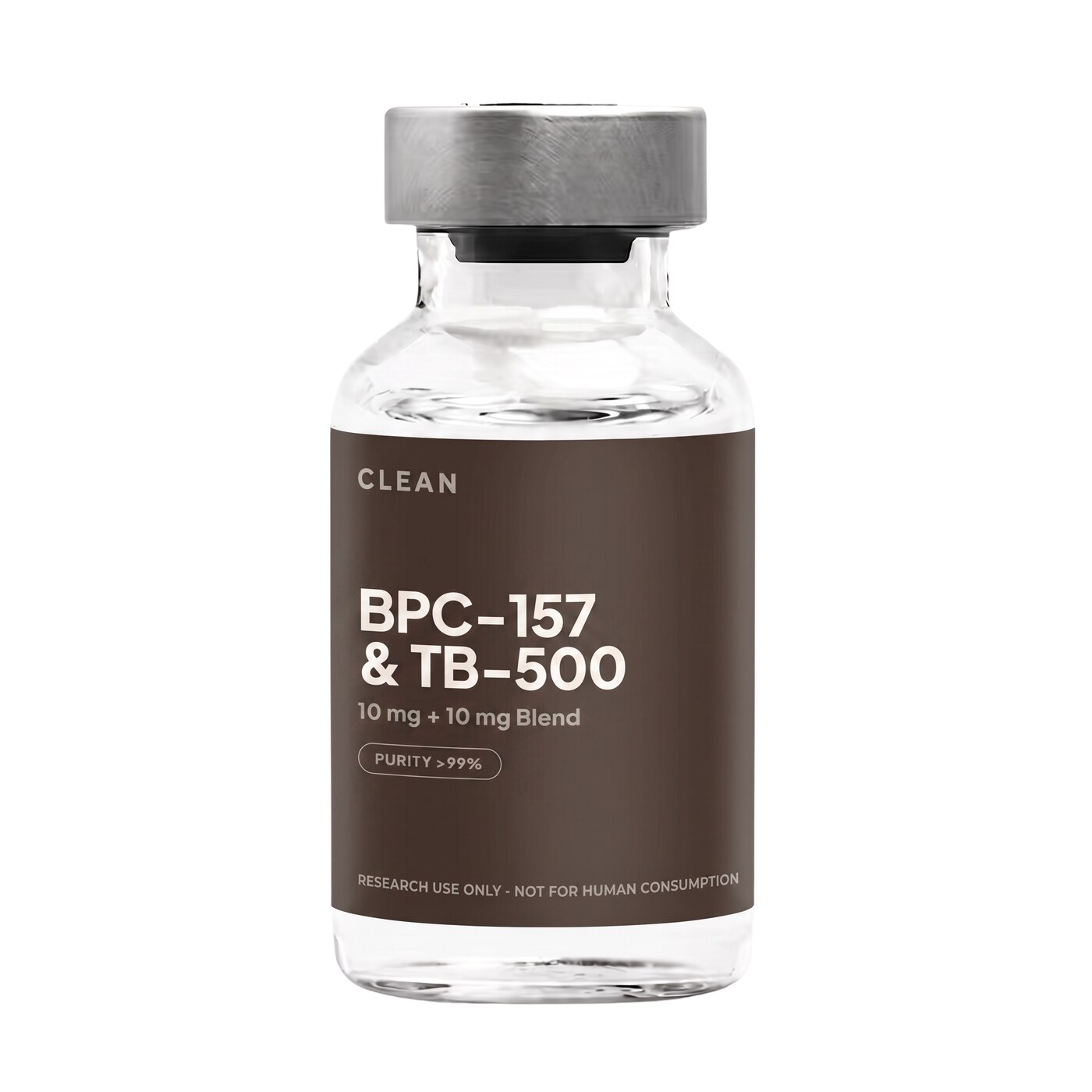
BPC-157
Body Protection Compound
KPV
Anti-Inflammatory Peptide
BAC Water
Reconstitution Solution
meet the collection.
Made With
tb-500
peptide · thymosin analogue
TB-500 is a synthetic peptide corresponding to the actin-binding domain of Thymosin Beta-4, synthesized to >99% purity in a US-based cGMP facility. Every batch independently tested and COA published publicly. Supplied for in-vitro and laboratory research use only.
a thymosin analogue for tissue repair + angiogenesis research.
Purity>99% by HPLC
FormLyophilized powder
Endotoxin<1 EU/mg
Storage−20°C · 28 days reconstituted
TestingThird-party verified · USA synthesized
FYIResearch Use Only · Not for human use
TB-500 has been studied across a wide range of tissue repair and regeneration models:
- Promotes actin polymerization and cell migration critical for wound closure in vitro
- Accelerates muscle, tendon, and ligament repair in animal injury models
- Stimulates angiogenesis and new blood vessel formation in ischemia studies
- Exhibits anti-inflammatory activity by downregulating inflammatory cytokine cascades
- Demonstrates cardiac tissue protection in myocardial injury models
Every batch of TB-500 is independently tested by a US-based third-party laboratory. Our Certificate of Analysis (COA) confirms:
Search COA Library →
- Identity: confirmed by HPLC and mass spectrometry
- Purity: >99% by HPLC
- Endotoxin: <1 EU/mg
- Appearance: white to off-white lyophilized powder
Search COA Library →
- Goldstein AL, Hannappel E, Kleinman HK. (2005). Thymosin β4: actin-sequestering protein moonlights to repair injured tissues. Trends Mol Med.
- Philp D, et al. (2006). Thymosin beta4 promotes angiogenesis, wound healing, and hair follicle development. Mech Ageing Dev.
- Sosne G, et al. (2010). Thymosin beta-4 and the eye: vision on the future. Ann NY Acad Sci.
Support
common questions.
Everything you need to know about TB-500 for your research. Can't find an answer? Contact our team directly.
TB-500 is a synthetic peptide corresponding to the actin-binding domain of Thymosin Beta-4 (Tβ4), a 43-amino acid protein abundant in platelets and wound fluid. In preclinical models it promotes cell migration, angiogenesis, and tissue repair by upregulating actin polymerization and modulating inflammatory signaling. All described activity is from laboratory and animal research only.
Reconstitution and dosing parameters vary by study model. Researchers typically reconstitute with sterile bacteriostatic water. We recommend consulting peer-reviewed literature for protocol design. We do not provide dosing guidance for human use.
No. All products sold by Clean Labs USA are strictly for laboratory and in-vitro research use only. They are not drugs, supplements, or food products and are not intended for self-administration or therapeutic use. Purchase constitutes agreement to our Research Use Only terms.
Every order ships with a batch-specific COA. You can also search our full COA library by SKU or batch number at trycleanlabs.com/coa-library. COAs include HPLC purity data, mass spec confirmation, and endotoxin results.
Store lyophilized TB-500 at −20°C in a sealed vial, away from light and moisture. Shelf life exceeds 24 months under these conditions. Once reconstituted, store at 4°C and use within 28 days. Do not freeze reconstituted solution.
shop by category.
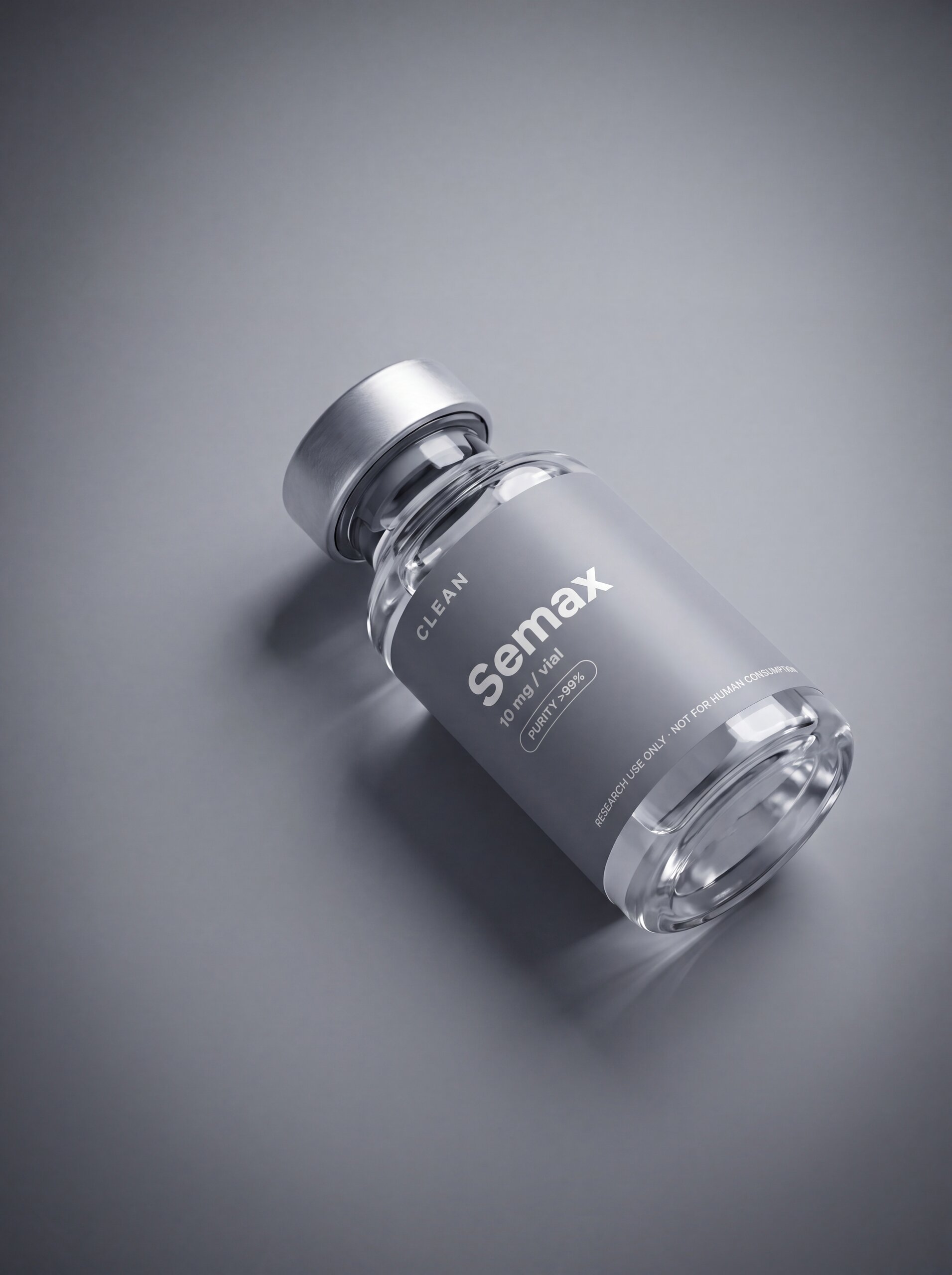
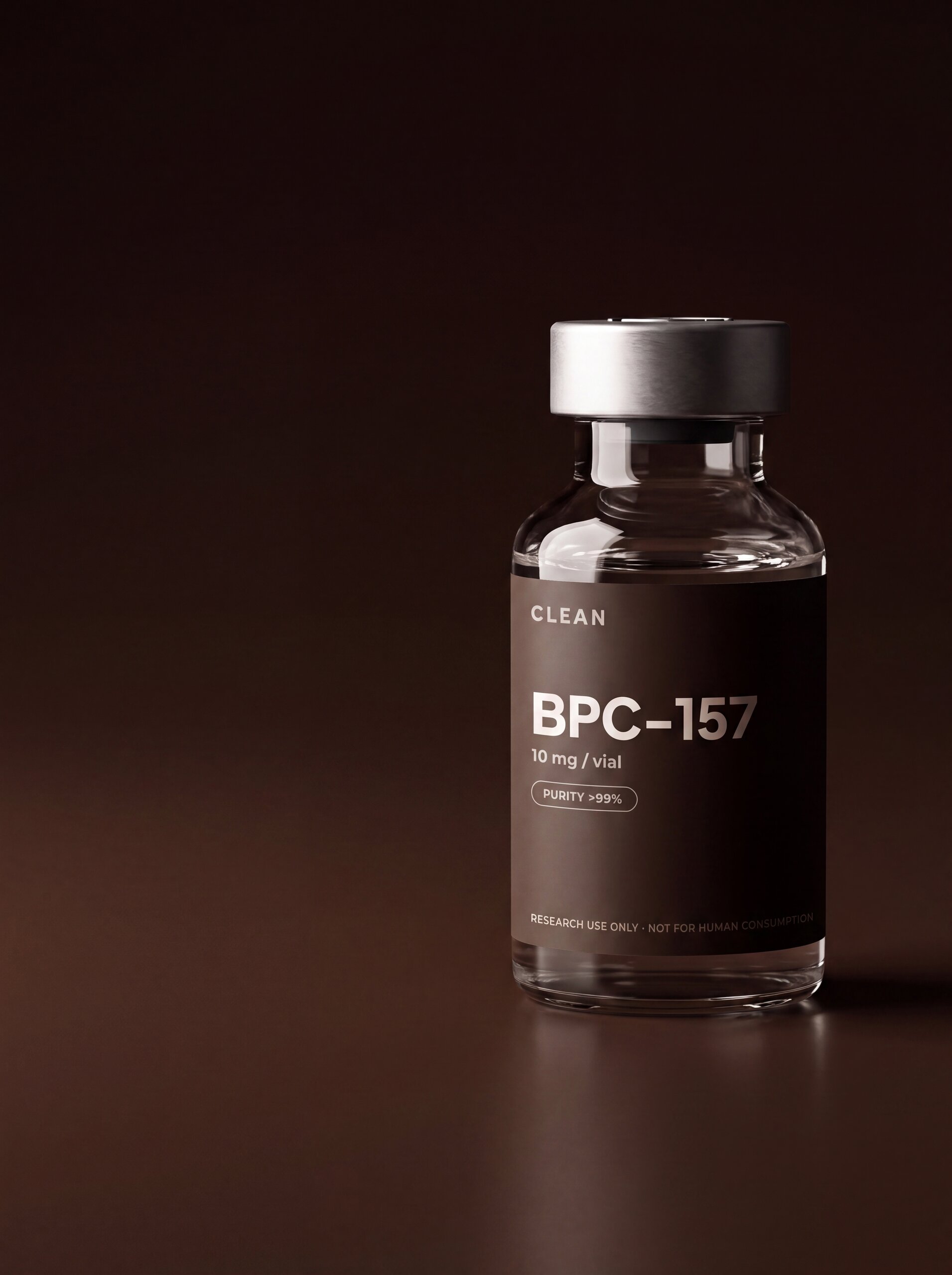
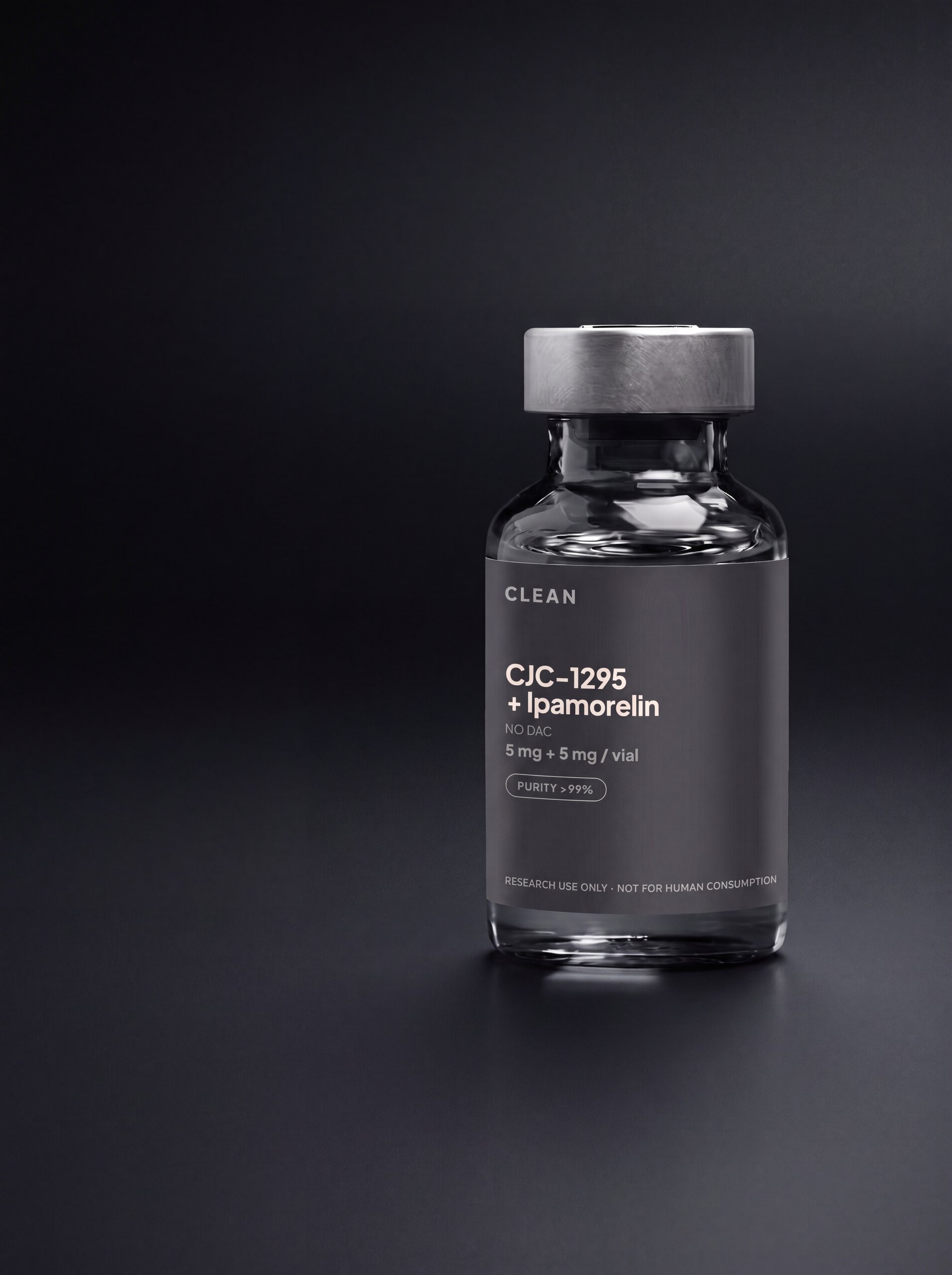
Clean Labs USA
the standard for research integrity.
Every compound we carry is synthesized to research-grade standards, third-party verified for purity, and shipped with a full certificate of analysis.
tb-500